Brand Relaunch

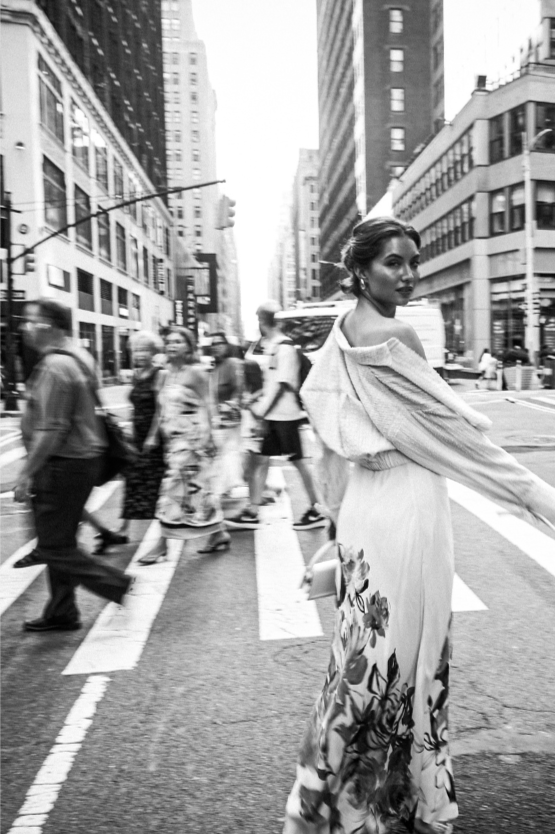
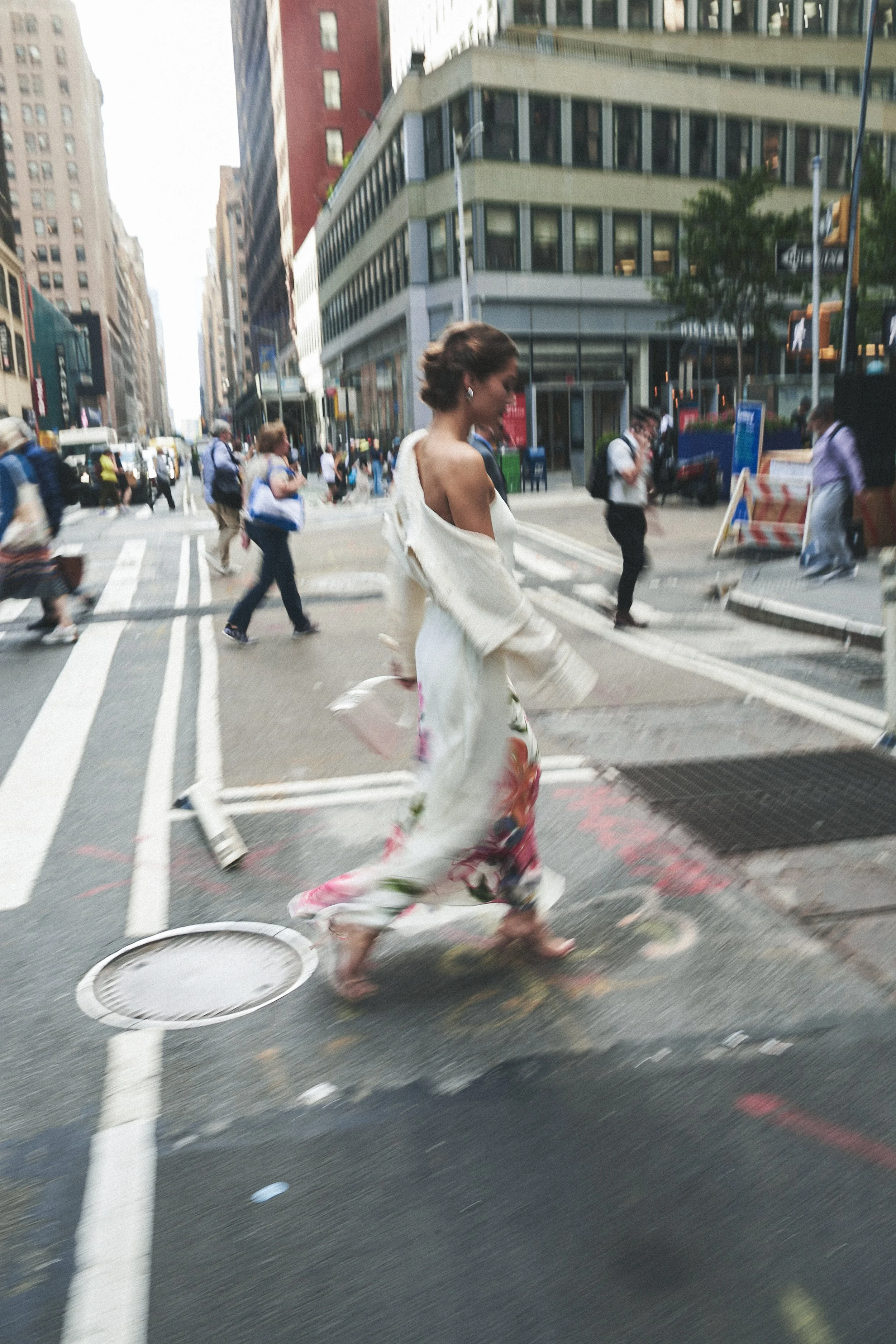
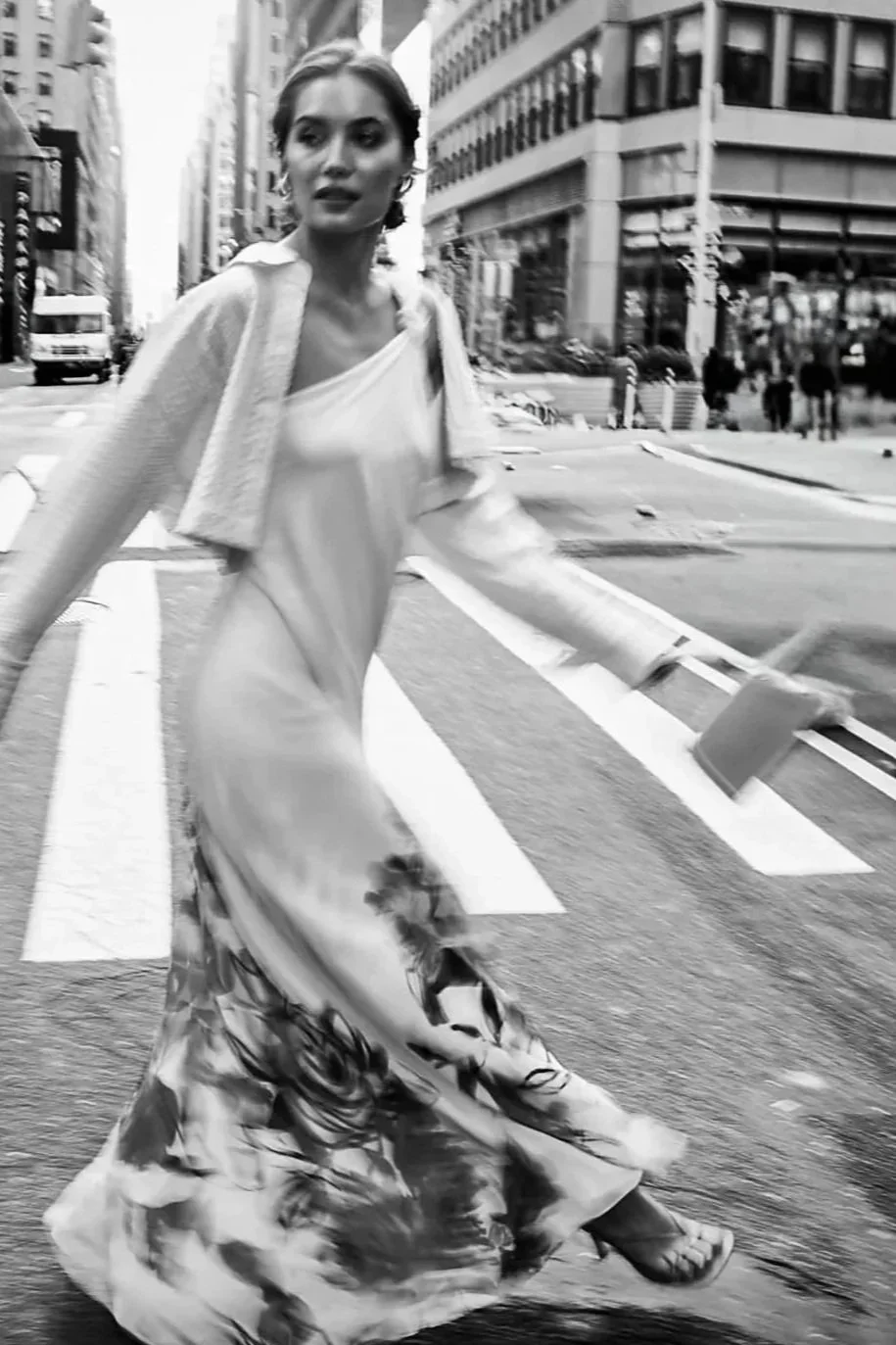
CASE STUDY, SHOT BY JOSH WONG, NEW YORK CITY, SPRING 2024

The Mandate

Following the acquisition, Parker required strategic repositioning to restore brand equity while maintaining accessibility.

The challenge was threefold: honor the brand's heritage and loyal customer base while attracting a new contemporary audience, meet strict cost constraints, and maintain quality control within fast production turnaround constraints.

We developed a cohesive product strategy that unified sportswear and dresses across all retail channels.

Commercial Growth & Retail Validation

Product Performance

+ 88–92% sell-through on key sportswear styles

+ 12–18% first-week velocity

+ Maintained full-price selling at $180–200 retail

Profitability

+ $4–10 margin improvement per unit through vendor negotiation

+ 55% IMU at accessible price points

Retail Expansion

+ 3 major retailers

+ 2 seasonal placements in Macy's Herald Square window display

+ Strengthened key retail partnership with Nordstrom


Execution

  • Developed a comprehensive visual brand system—logo design, color palette, material specs, and placement standards. Directed seasonal lookbooks, showroom guidelines, and Instagram strategy to establish the brand's evolved aesthetic.

  • Each season's creative strategy built a cohesive story, unifying dresses and sportswear through shared prints, color palettes, and fabrication. We established a core fabric library that standardized base qualities while balancing luxury hand-feel with cost efficiency and production consistency. Design decisions merged creative vision with commercial insight—translating sales data and retail feedback into refined details that became signature elements across multiple collections.

  • Fit development was critical across all categories, achieved under tight production deadlines. We developed a comprehensive documentation system—BOMs, fabric standards, CADs, and technical notes—that enabled clear communication with in-house teams and overseas production. Quality control on intricate garment details was strengthened through vendor partnerships, maintaining quality standards while meeting target price points.

  • Building a collaborative, creative team environment was essential. I mentored assistant designers and interns through hands-on collaboration, providing constructive feedback and creating opportunities for skill development. To support team efficiency, I established a seasonal design process that brought structure and clarity to the workflow—from research and mood development through sketching and croquis standardization to organized asset management across shared drives. This system included in-house draping protocols, visual approvals, and digital sample tracking, streamlining collaboration across design, technical, and production teams and allowing us to identify and resolve issues early in development.

Contemporary with a romantic edge—embracing life’s special moments.